

Enjoy Channel Access Using Modern IPTV Streaming Platforms
Channel delays frustrate viewers during live sports broadcasts. Buffer icons interrupt films during important dramatic scenes. Streaming platforms changed those viewing habits completely. Homes now expect instant channel switching across connected devices. Applications reduce loading time across crowded entertainment libraries. Reliable IPTV PROVIDERS now deliver smoother television access through optimized internet streaming.
What Makes IPTV Platforms Faster Today?
Older cable systems relied upon fixed broadcasting transmission methods. IPTV platforms stream selected channels through internet-based delivery networks. That difference shortens loading periods between active channel requests. Cloud routing improves playback during crowded viewing hours.
A football supporter notices those changes during weekend league fixtures. Channel movement feels instant instead of delayed several frustrating seconds. Although satellite systems function reliably, IPTV platforms react faster.
- Server balancing prevents stream congestion
- Adaptive playback maintains picture stability
- Menus reduce browsing frustration
- Device syncing improves viewing flexibility
Faster Navigation Changes Everyday Entertainment Habits
Families rarely watch identical programs during evening television hours. IPTV applications simplify content selection across different screens. A teenager streams concerts while parents follow business news channels. That convenience shapes entertainment choices inside connected households.
Traditional television packages forced unnecessary channel subscriptions upon customers. IPTV systems changed viewing freedom through flexible digital access methods. Search functions shorten browsing periods across entertainment catalogs.
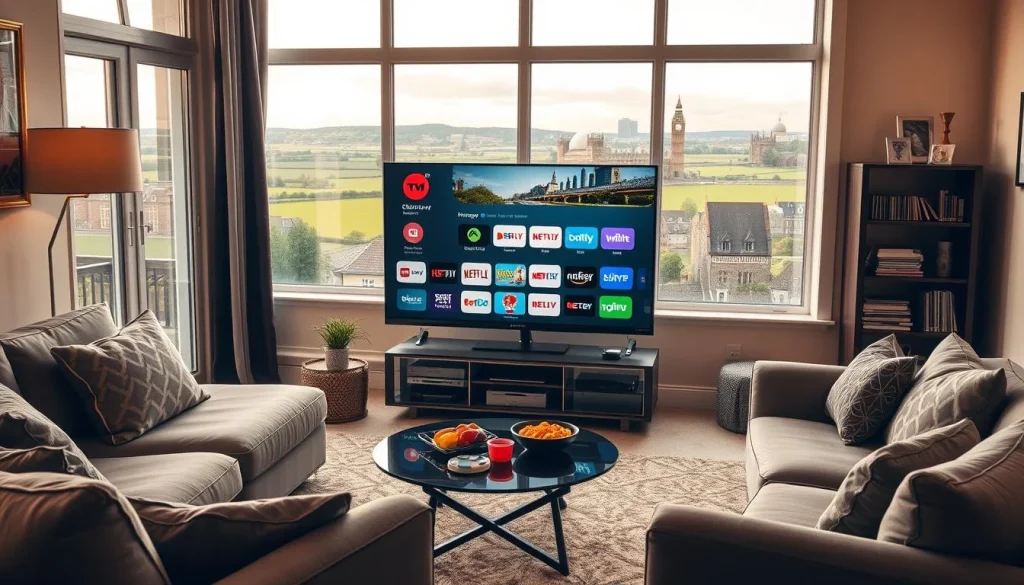
Viewers notice practical improvements daily:
- Sports channels open within seconds
- Film libraries load without freezing
- International networks appear through one application
- Smart televisions require fewer external devices
Why Do Modern Platforms Handle Traffic Better?
Heavy traffic damaged streaming quality during major sporting events. Infrastructure distributes viewer demand across multiple cloud-based servers. That arrangement lowers playback interruptions during crowded viewing periods.
Large tournaments offer strong examples of technical improvements today. Earlier systems struggled whenever millions watched championship matches simultaneously. IPTV architectures divide traffic through regional delivery locations. Users experience cleaner playback despite huge audience numbers.
In competitive streaming markets, IPTV PROVIDERS invest heavily toward stable network infrastructure. Server locations protect channels from performance drops. Compression technology reduces internet strain without harming picture clarity.
Smart Features Improve Channel Discovery
Content libraries expanded far beyond traditional television programming schedules. Viewers expect immediate access across sports, films, documentaries, and news. IPTV applications organize those categories through digital interfaces.
Recommendation systems learn viewing habits through repeated content selections. A documentary viewer receives science programs instead of comedy suggestions. Personalized menus shorten browsing periods before playback begins.
Questions shape viewer behavior during channel exploration. Why waste minutes scrolling through endless categories daily? IPTV platforms answer that frustration through targeted search systems.
Useful platform tools include:
- Voice-controlled channel searching
- Favorite lists for quick access
- Multi-screen playback management
- Program reminders before broadcasts
- Language selection across interfaces
Choosing Platforms Without Performance Problems
Cheap streaming subscriptions create unstable viewing experiences. Poor server capacity causes frozen channels during crowded evening schedules. Platform selection prevents those entertainment disruptions.
Trial access helps viewers evaluate service quality before monthly payments. Stable playback during live sports offers performance indicators. Customer assistance matters during technical troubleshooting situations.
A strong internet connection remains important for smooth playback. Weak household networks limit streaming quality despite powerful IPTV applications. Ethernet connections deliver steadier performance than wireless home setups.
Where Faster Streaming Leaves Traditional Television
Channel speed shapes entertainment expectations across connected households worldwide. A delayed sports stream feels outdated in instant IPTV playback systems. Search tools, cloud routing, and adaptive streaming transformed television access permanently.
That shift carries consequences beyond viewing convenience. Households accepted fixed schedules and bulky receiver boxes without hesitation. Now, viewers expect playback across phones, televisions, and tablets simultaneously.